
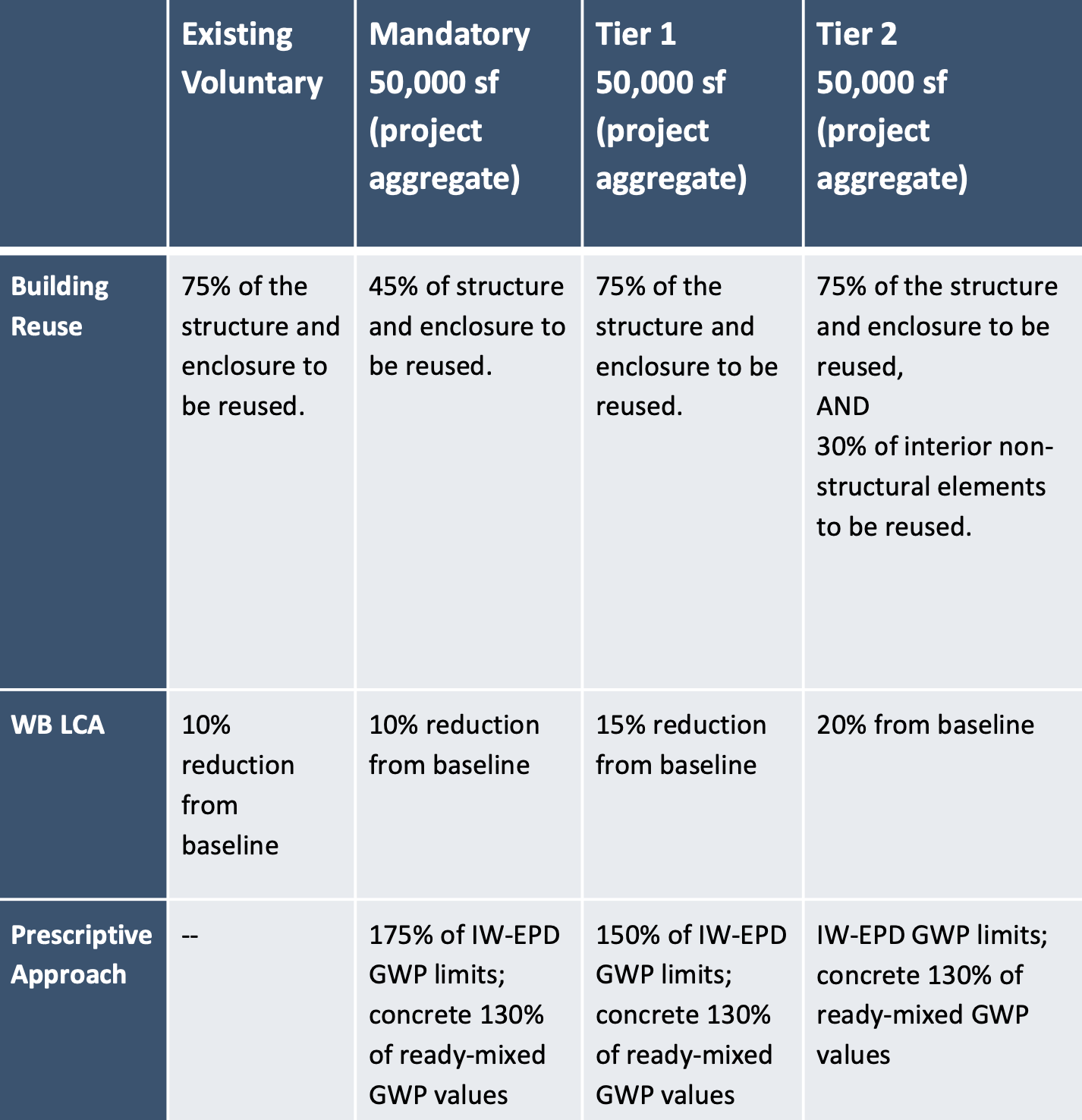
 Whole Building Embodied Carbon Policy California’s adoption of the Whole Building Embodied Carbon Policy in CALGreen marks a significant step towards environmentally sustainable construction practices in the state. This policy is the first of its kind in the U.S., aiming at reducing the embodied carbon emissions associated with building materials and construction processes. It sets new requirements aiming to reduce the embodied carbon emissions associated with construction projects. Here are the key aspects of this
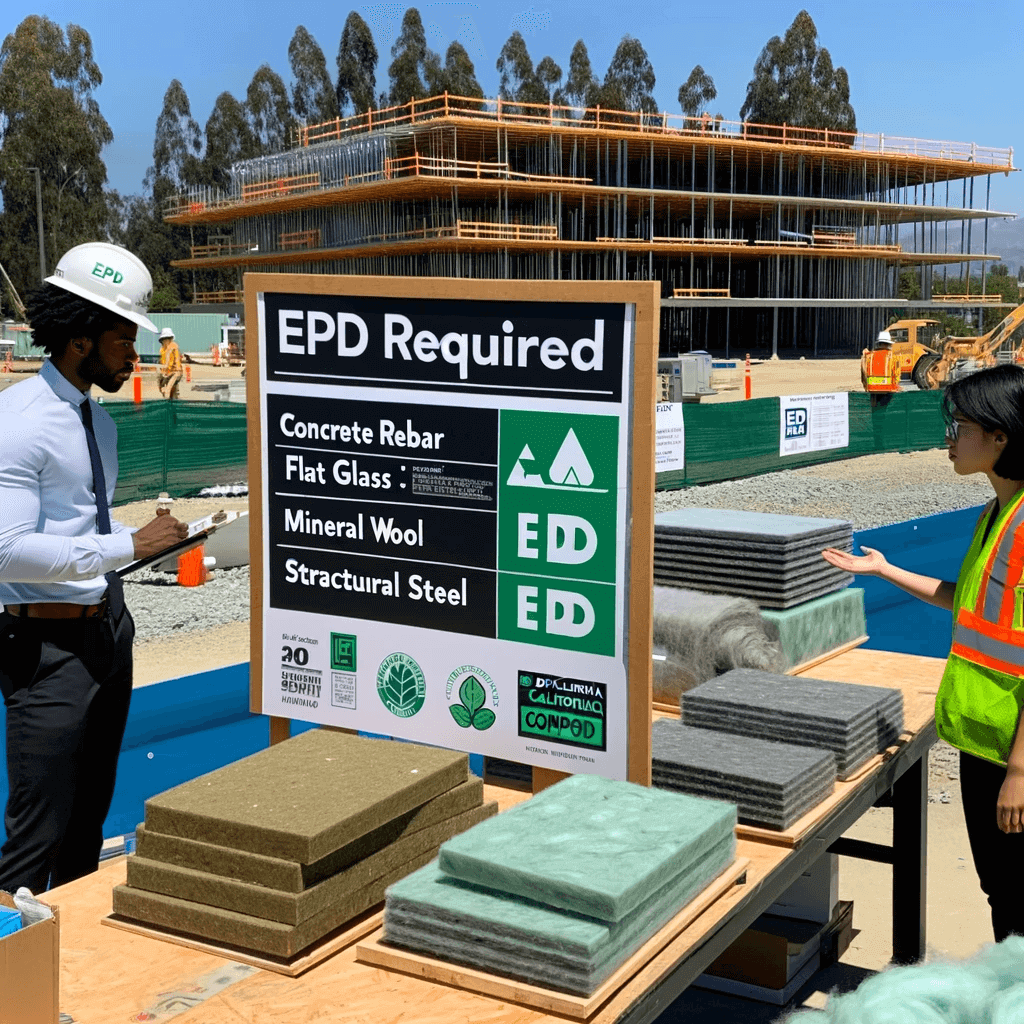 What is the Buy Clean California Act The Buy Clean California Act is a law that was signed in 2017 and came into effect on January 1, 2019. Officially known as AB 262, the Act requires the California Department of General Services (DGS) to establish a maximum acceptable global warming potential for certain materials used in public works projects. The materials covered under the Act include carbon steel rebar, flat glass, mineral wool board insulation,
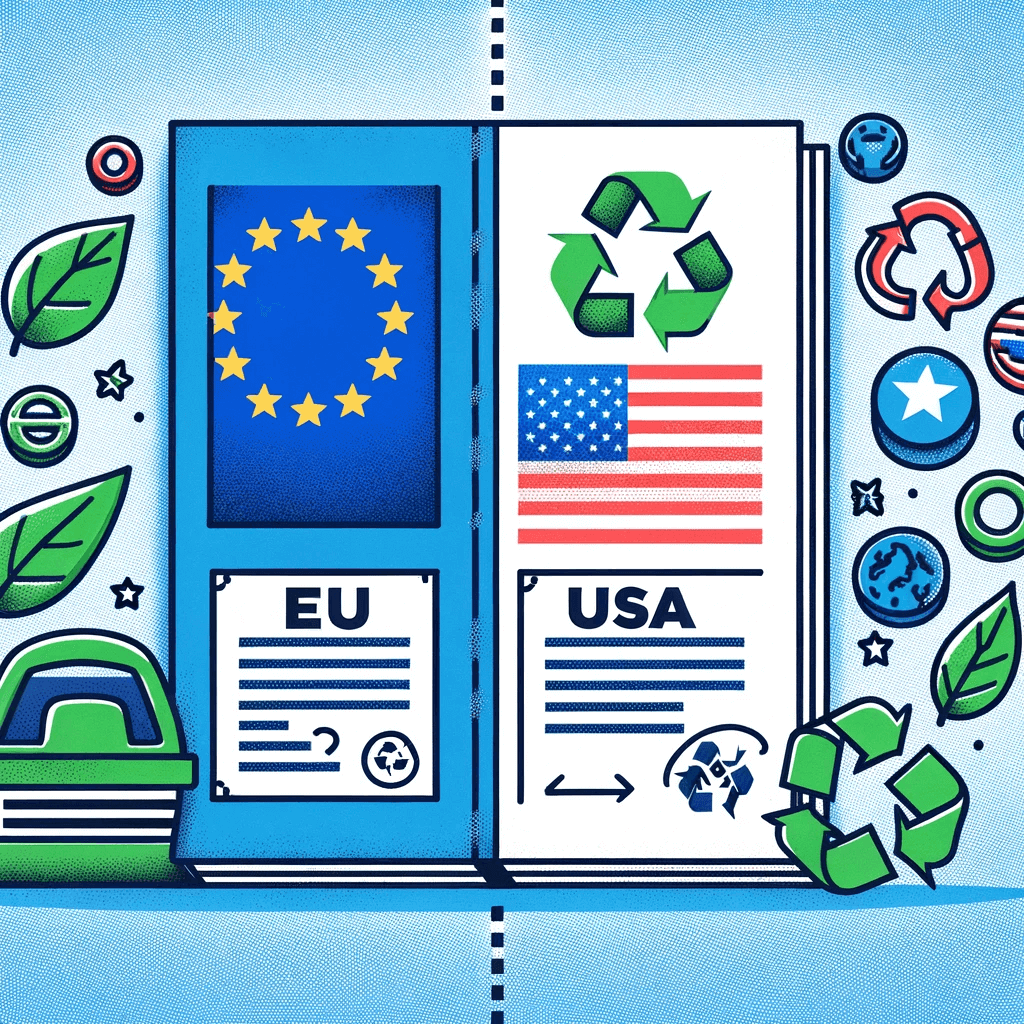 EPDs: What’s the difference between the EU and USA? If you’re importing European building products to the U.S., this comprehensive guide is tailored just for you. We understand that grasping the nuances of Environmental Product Declarations (EPDs) and different methodologies can be quite a challenge. So, let’s break it down in a way that’s both informative and easy to digest. EPDs Basics An EPD is like a report card for a building product, detailing its
 What to know about Recycled Content Declarations As the world becomes increasingly concerned about the environment, sustainable building practices are becoming more important. One key aspect of sustainable building is the use of recycled content in building materials. Recycled content declarations play a crucial role in verifying that building products are made from recycled materials. In this blog post, we will explore why recycled content declarations are important to building product manufacturers, and which state
 What is a Product Category Rule? A Product Category Rule (PCR) is a set of guidelines and requirements that specify the methodology for conducting a Life Cycle Assessment (LCA). Also the development of an Environmental Product Declaration (EPD) for a particular product category. A PCR defines the scope of the LCA study, identifies the relevant environmental impacts, and sets the rules for calculating and reporting the results of the LCA. Why is a PCR
 Health Product Declaration vs. Material Ingredient list When it comes to evaluating the environmental and health impact of building products, there are two important tools. Health Product Declarations (HPDs) and Material Ingredient Lists (MILs). While these two tools are often used interchangeably, they serve different purposes and provide different types of information. In this blog post, we will explore the differences between HPDs and MILs. Also, why they are important for determining if a product
Sustainality Documentation > Blog